

A Letter by LUKA HATTUMA
dear Anton,
may I ask you,
has history ever deceived you?
have words ever deceived you?
what is truth in a world full of fiction?
you told me how
every koelie, every kotjie,
every drisieman, every pietjien boeroe,
every wrokoman, every redimoesoe
in the same swampu
spoke the zwijgende taal
in an omnipresent invisibility that
echoed from the opborrelende busi
soul of diamond
soul of gold
soul of rubber
soul of bauxite
tell me, Anton,
could I look into your eyes
what would I see
would I still sleep
inside the present
or, would I drown
in your tears
that flew and flow
when you look
inside the present
with the lurking gaze of
a continuously crumbling future
I wish I could say to you
kalibo no sa de moro
yet
constructions, like contraptions in
contemporary colloquialism
yes
a colonial system
a contemporary continuous contraption in
colonial constructions
please don’t allow me
to find the right wortu
for the truth of
kalibo no sa de moro
een trompetterend ritme
that moves through my body
and keeps jumping in my head
while I walk, bike, think and fight
medeplichtigheid
onverschilligheid
vergetelheid
ga no hei
I move step by step
but fall back
inside the earth
inside the limbs of the earth
inside the rose blood of Sranan
people ask me
regularly
about my kroru
while my
futu e stampu
I tell them
not what they want to hear
no, I don’t know and
no, it is not my attempt
to rewrite history, to rewrite what has been thought
what will be thought
no, it is not my attempt
to rewrite your words, to rewrite your thoughts
according to a social or academic formula
I learned
I became aware of my presence in historicity
unknown and known, yes
unfair and fair, yes
historicity deceives me
every time, yes
may I ask you: have you ever
questioned whether your memories
deceived you?
I ask myself
what is your victory, what is mine
I wait for you
to tell me
meanwhile I read and re-read
to reprieve?
to refuse?
to receive?
I follow the fiction, the friction
of life
of worthy wortu
in a pasengi pace
I move away from
the krabyasi
without
a face
meanwhile I listen to the kora
that whispers
the refusal of
eri nyunsortu katibo
yes, I have been born
in a culpable landscape
yes, in complicity I moan
while I walk, bike, think and fight
alongside the traces
of a world that once
was yours
what would you say
if you where alive now?
apart from
why am I alive now?
what would you say
about the fri-prakseri?
apart from
what happened with the fri-prakseri?
these questions
I internalised
I feel like the enemy that breathes
I feel like the enemy that sees
in a miasma of
our existence
yes, it is this poison that meets
us
in one way or another
we inhabit a shared space
mine of guilt
yours of inequality
of unfair simplicity
of unquestionable colloquialism
yes, of a historicity
that deceived
us
the Dutch lanti asks us
to forgive (if we remember)
perhaps, if we have an actieve herinnering
aan het vergeven, aan het excuseren
we might forgive
if not forgotten
yes, these are the practicalities
of white innocence
yes, perhaps, we forgot
how to forgive, how to remember
and how to forget
accordingly
ja,
ontwitten
moet ik
ja,
ontwitten
moeten we
may I ask: mi dati e kribi
I refuse, while luktu blaka and skreki tapu mi bro
are we waiting for reprieve?
tell me, what do you do
when
history
when
historicity
when
memory
when
the present
deceives you?
there is a sound
het ontneemt me de adem
steeds weer
all the way from fort Zeelandia
in Utrecht
sounds of fear and pain
in Utrecht
suddenly here,
there
here
and has always been
like an echoing whisper
here
when I read your words
I feel protected
by the illusion
of faith, as
silent witnesses whisper
yes, you are present
in my existence
my heart, my blood
murmur in a body
mine?
like rotten teeth
they feel
mine?
guilt and grief
mine?
a miasma
of existence
in the mine
of the earth
that is yours
has been yours
was yours
and mine?
words are writing me into existence
do you recognise?
but what are words when taken out of their contexts?
even if the reality remains similar
like rhythmic repetition
and continuous superstition
they seem to repeatedly reprieve
is white innocence the same as
the white crumbling culpable space
we inhabit?
never have I felt
this confronted, while
inhabiting the aporetic space
of grief and guilt
walking through streets
cycling through life
I follow the traces
you describe
after I read your words
I suddenly saw every wrokoman, every redimoesoe
every drisieman, every pietjien boeroe,
every koelie, every kotjie
past and present
their gesture, fragile
yet convenient
in a rhythm of practise
rising out of disi dungu
krin moro bauxite
I think you did try telling me this before
didn’t you?
yet I didn’t listen to your language
the Black letters on white paper
the Black words on white sheets
the Black memories of a white historicity
now that I did,
I fell silent
and will remain
but indeed, my silence doesn’t encourage
indeed, my lack of understanding doesn’t encourage
indeed, my white presence and privilege doesn’t encourage
others
to bleed, to sink into
a dipi watra
seclusion, exclusion
ja,
ontwitten
moet ik
ja,
ontwitten
moeten we
now that I am ontwittende, I see den marki
brought here by the wind, the water
to Utrecht, a culpable space
crumbling under my feet
yes, this is
where I found myself
can you ever find yourself, you ask?
can I be all of me, you ask?
have you ever been all of you, may I ask?
in ketens we live
in ketens we rise
out of ketens we survive
your words continue to linger,
while melodies drift and fade and drift
across time and space
across pain and guilt
Anton,
send me a letter from the poetic space you inhabit, will you?
perhaps with inverted commas
at lines or words where you deem them necessary
please, don’t forget
so I can understand
when history and memory deceives you
when the present deceives you
after a confrontation
I might ask
should we neglect or embrace
de brandstof der ellende?
only after a confrontation
can I think of a continuation inside
de brandstof der ellende
ABOUT THE AUTHOR
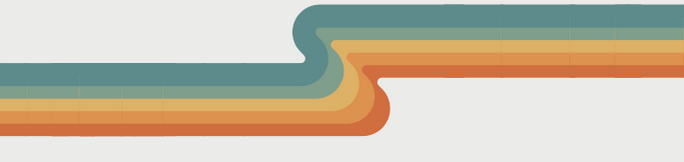
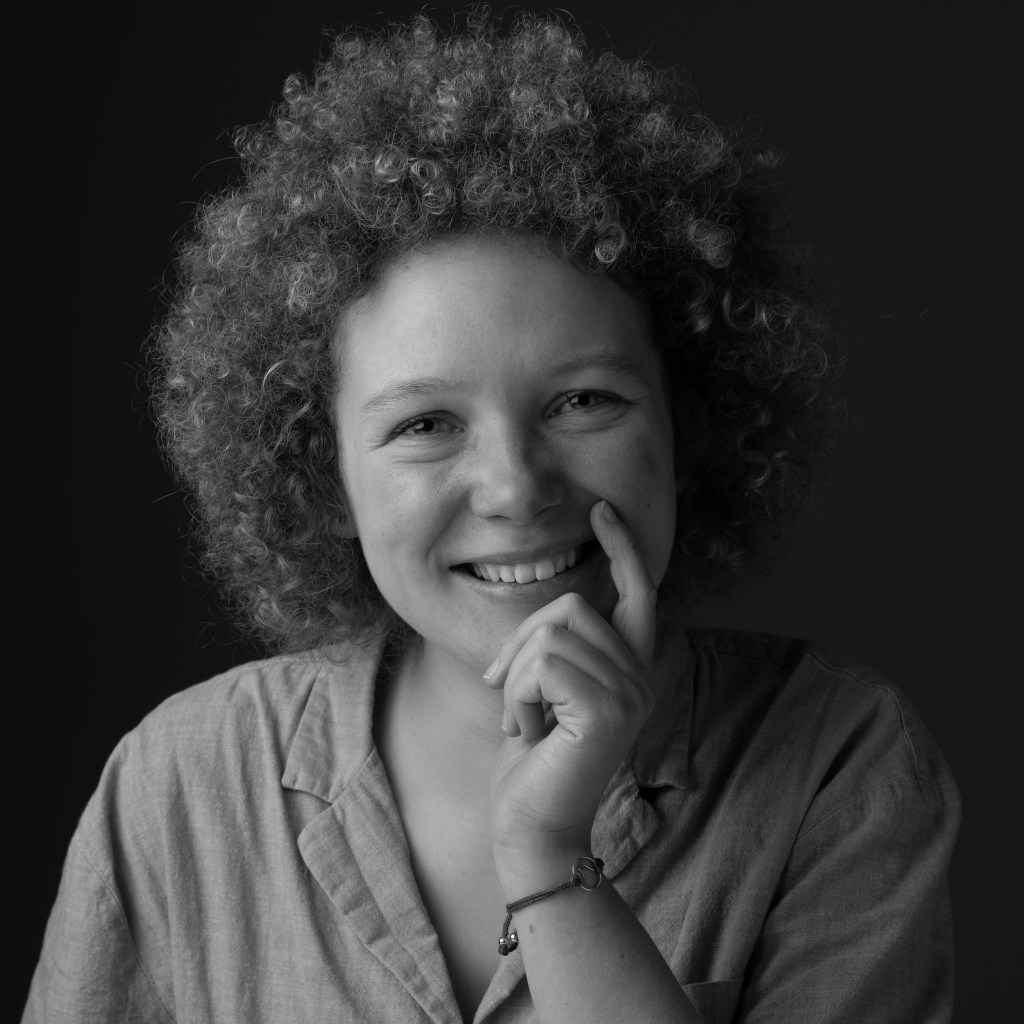
Luka Hattuma is a graduate of the RMA Comparative Literary Studies at Utrecht University and is currently obtaining a second research master’s degree in Dutch literature. Looking at literature as a mode of poetic knowledge production and disruption, Luka engages with poetry and poetics in- and around the geo-political, eco-critical, and anti-capital spheres of (post)colonial spaces. With an eye on the poetic representations of water and botany in particular, she engages with the marginalised voices that emerge between the lines. She has a keen interest in the voices of dissent that emerge in the literary spaces of the Arctic, South Africa, Indonesia, Surinam and the Caribbean Islands.
 RevUU
RevUU 