

A PIECE by GENTA TANJUNG
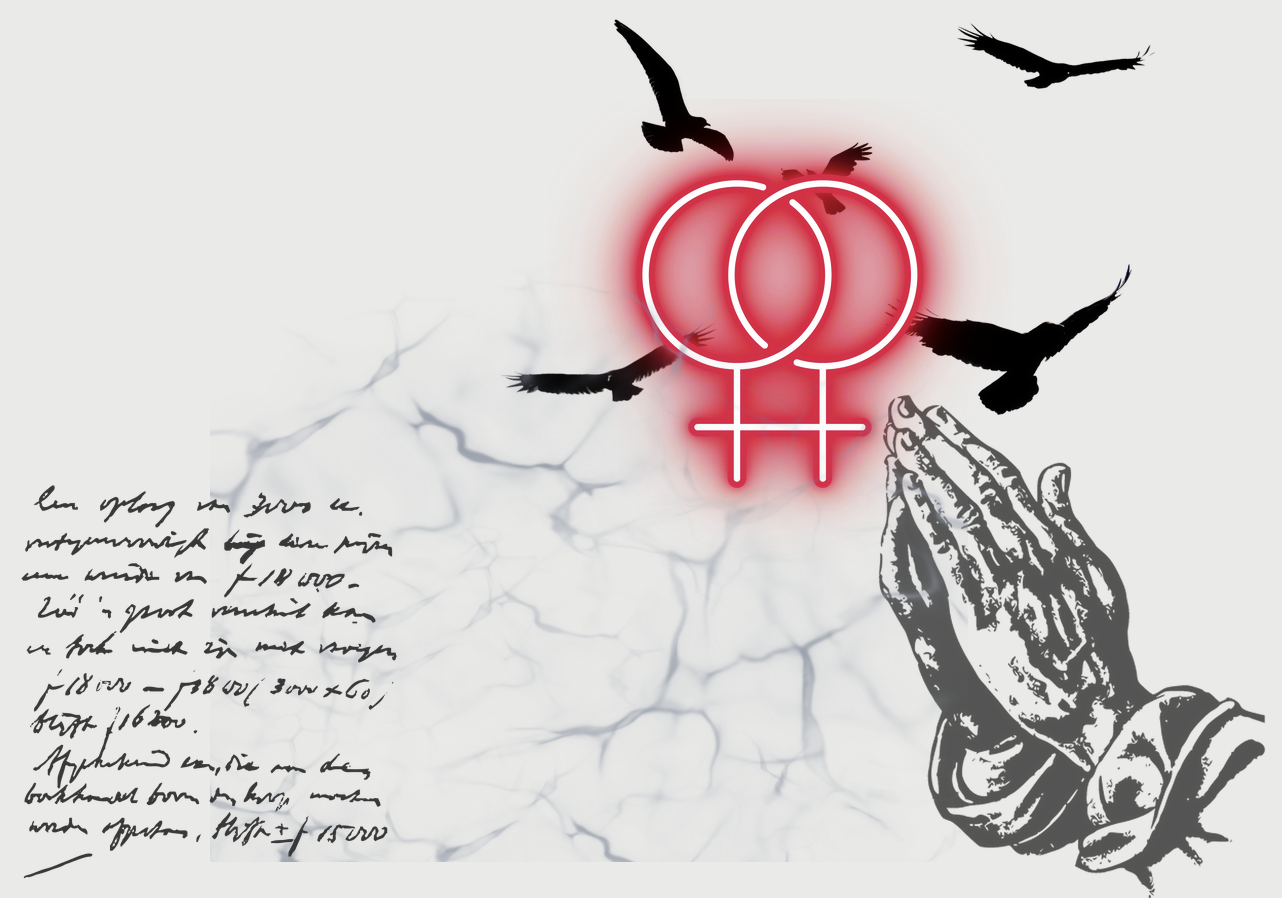
I’m a lesbian Muslim.
It’s not really a common combination, is it?
Most people would argue that I could only be one or the other. But I’m both; I’m not less gay because I’m a Muslim, and I’m not less of a Muslim just because I’m a lesbian. I have to say that it has not been easy in the slightest to keep both parts of me to coexist. God knows I’m trying.
I was born in a small town called Prabumulih in South Sumatra, Indonesia. Grew up in the suburbs of Jakarta until I moved to the Netherlands at 25. I have lived in a somewhat religious environment my whole life.
So naturally, my parents put me in a conservative Islamic school for twelve years, from kindergarten until middle school. I hated going there. I hated it when I was there, and I hate it even more now that I can see things more objectively. I often questioned my parents about their decision to keep me in that school for over a decade, and their response was consistent. They’d always say, “We want you to have strong Islamic values and foundation,” every single time. I still don’t understand it until now. Everything they taught me there made me want to do the exact opposite. To be fair, the school, nor the teachers and their conservative ideals, ever made me feel resentful of my faith. But it did take the first few years of my adulthood unpacking everything I went through. I often make jokes about my time in school; I genuinely thought my experiences there were comical. Like how they used to separate girls and boys by not allowing us to ‘mix’ in fear that we would accidentally touch each other, or how the teachers would discreetly check if the girls were using menstrual pads to ensure we were actually on our period and not lying about it to get out of the Friday prayers. All of that happened when I was between nine until fourteen. Funnily enough, it wasn’t until I read Ayesha at Last by Uzma Jalaluddin, a Pride and Prejudice retelling of a Muslim woman living in Toronto last month, that I realized my time at school really affected me. Jalaluddin’s genuine depiction of Islam and her representation of how it is like living in a Muslim community reminded me of the environment I grew up being surrounded in. I spent years without recognizing I have been carrying this trauma all the way to my adulthood.
Everything leads back to my coming out journey when I was a teen. “Women are supposed to be with men, and the other way around.” I remember my mother trying to have this conversation with me almost every week. I was 19 at that time, we were in the car on our way for my family to drop me off to take the bus back to university 3-hour-away from home. This subject had come up so much ever since my mother had been curious about my lack of interest in boys and my choice of friends who were not conventionally girly. I would always shut down whenever she asked me about it, I never really knew how to act or how to respond. Then she would hit me with, “You’re staying farther from God”. It was one of the most hurtful things my mother ever said to me. The idea of not being around God was the last thing I ever wanted. I think in a way it hurt so much because deep down I know it to be true in some way. I don’t pray as much anymore, reading the Quran started to become more difficult, and the Holy month of Ramadhan doesn’t excite me as as much as it used to.
This topic was the primary source of most of the fights I used to have with my parents. Growing up, I always had a complicated relationship with them. Our arguments usually escalated into screaming matches that lasted until 3 AM. They typically started because I got home late, then they would interrogate me about who I was with, and inevitably, the conversation would turn to my sexuality. During one of the biggest fights we ever had, my mother kept pushing me to tell them the truth. In frustration, I yelled, “Okay, I’m gay!” I’ll never forget the expressions on their faces after I said it. Disappoinment.
That was the overwhelming emotion they felt right away. I knew they weren’t shocked; they had probably expected it on some level. In a way, they were more surprised that I actually admitted it. Took a while for my parents to make a sense out of it. I will always appreciate the time and effort that my parents made to be able to understand my identity and to finally accept it. I think they realized that accepting me was way more important than risking losing me forever.
Making this part of me to be visible to my family is not an easy journey. The bond that I have with my sister is what made it more bearable. I’m grateful that coming out to her was not difficult at all. I didn’t even plan to do it; all my sister had to do was sit down with me and ask, “So how about girls?” I was so flabbergasted that I just blurted out, “What about girls?” I really thought I had hidden it so well up to that point. It’s the just unbreakable connection between sisters.
Despite the acceptance from the community around me, no one really prepared me for the guilt I had to carry for what feels like abandoning my former beliefs. It’s tough to navigate my identity when, for most of my life, queerness and religion have always been placed in separate boxes. It feels like I’m caught in a game of tug-of-war between who I am and what my faith dictates. But here’s the thing:
I believe both parts of my identity can coexist.
After all of this, when everything in this world falls into ruin, I don’t think God would close the gates of Heaven for me.
ABOUT THE AUTHOR
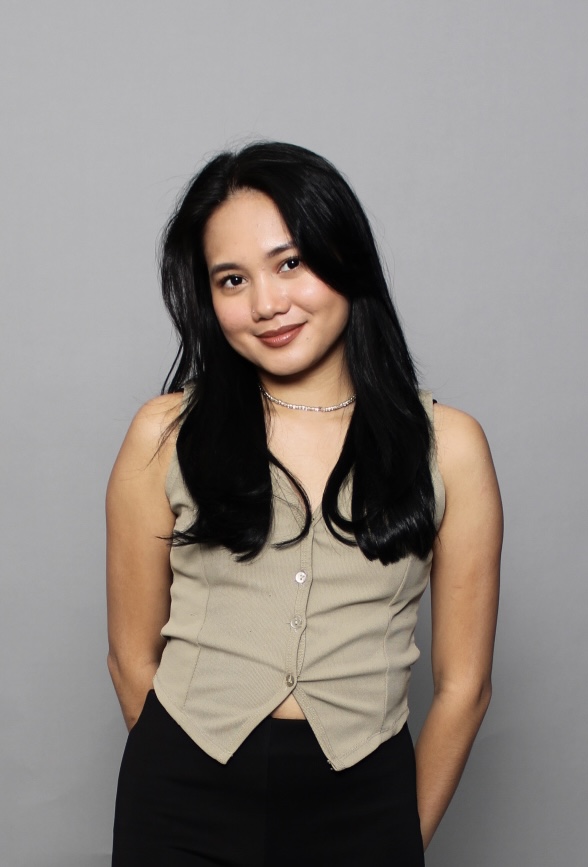
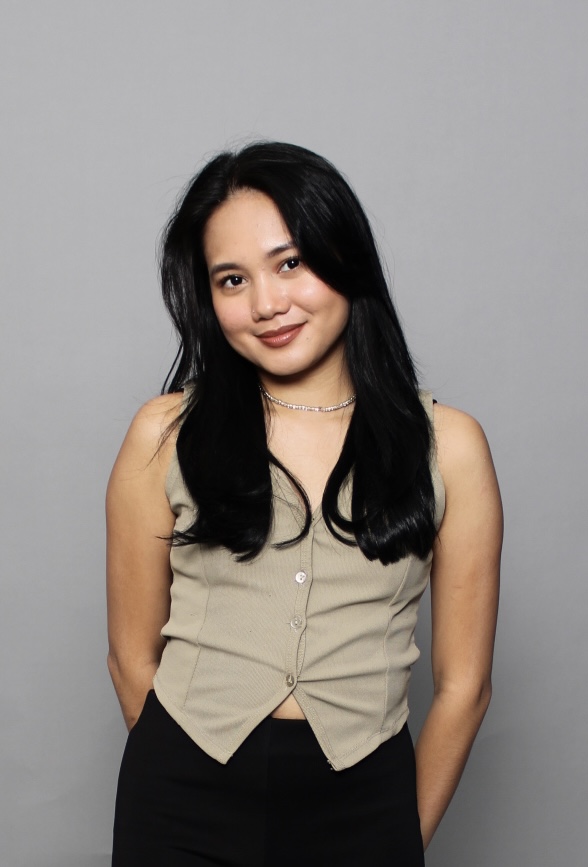
Genta Tanjung is a writer and editor from Indonesia. She moved to the Netherlands to pursue her MA studies at Utrecht University. She is currently interning at a Dutch publishing house, where she edits transcripts. Her literary interests primarily focus on contemporary queer fiction. During her free time, she can be found performing her poems at queer poetry nights.
 RevUU
RevUU 