
A REVIEW by MARA FACON
(TW: Sexual assault)
I was recently taken on a journey. I travelled through several European countries in the scattered suitcase of one Alvina Chamberland, a Swedish-American author, whose English language debut Love the World or Get Killed Trying has been published this year. She took me with her to the natural wonders of Iceland, the sometimes intimate, sometimes alienating milieus of Paris and Berlin, to her childhood home in Sweden. My travel companion and I have a lot in common. We’re siblings in transition, loneliness, and Clarice Lispector worship. While reading her incredible work of autofiction, I laughed and cried along with her, feeling so deeply the love and abjection for a world out to maim and destroy.
I know that many readers will approach this book from different perspectives: many may be fans of Lispector, many may have experienced loneliness, but the experience of a trans woman navigating a hostile environment is one that not all of us can claim. In fact, I would venture to guess that this book will inspire a defensive reaction among its cisgender readers. Especially some of the men in the audience (Alternative leftist boys, I am looking at you!) will probably resist their depiction within these pages. But fret not, that’s why I’m here. I aim to provide a comprehensive guide on how to read a book like this and not lose your shit completely. So, if you are cis, please stick around! Now’s the time to prove your allyship, to show us that you are listening and understanding!
Love the World or Get Killed Trying doesn’t beat around the bush. Chamberland lists in minute detail how men have stalked, harassed, and raped her. The minefield of navigating different cities and social circles is rendered palpably clear. As is her loneliness. While constantly under threat of assault, society still pegs trans women as a sexual fetish to be enjoyed in secret, or a threat to just about everything you hold dear: the family, gender, men and their sacred masculinity. But, and here’s where you should listen up especially, trans women are human beings with desires for companionship and intimacy. Attempts at using dating apps go as follows:
“You know dating a trans girl is like opening a bag of chips in church, everyone stares with scorn but deep down they want some chips too… I know, I know, I’ve received 7 or 8 invitations to dinner dates and 9000 invitations for quick sex from men standing alone in the past 4 years, and when I say they must meet me for a drink in public first, I receive 10 nos for each yes.”
Dear cis reader, can you not find within yourself a shred of sympathy? You might have experienced before what it is like to be objectified, so can’t you see how awful this is? If I am coming across as condescending or sarcastic, it is because reading this novel has reignited within me the righteous anger at the way that trans people have been subjected to greater injustice than a bit of scorn from a nonbinary reviewer, so forgive my tone. I can already see how this book might and probably will have its sincerity questioned, its claims denied, its stylistic beauty ignored over the fact that it is a trans book, and that people are very scared by that.
I hope that you will come to appreciate the gift that you have been given in this novel. Because that’s how I see it: a vulnerable gift, given “with the tenacity of a cascading flood that crashes open a dam, tearing up the roots so our mouths can flow to their natural destinations. With soaking wet feet and great hesitance, I have decided to trust the world enough to confess all my deepest fears, though I’m well aware there’s a global complot to take advantage of my weaknesses.” Vulnerability can come at immense costs, especially in a society that has already branded you as the ultimate other, and yet here we are. And whereas I’m pissed off and unable to process this book in any other way than to lecture an imaginary evil cis reader about it, Alvina Chamberland writes with tenderness behind every syllable. Her tough love veers towards the loving side.
At this moment, I’d also like to talk about Clarice Lispector. I think what fascinates both Chamberland and I about Lispector’s work is her continuing occupation with learning how to be human. Lispector seems almost entirely driven by this question, all of her female characters are incomplete somehow, reaching for definition, for a way to become human. Chamberland writes herself into turbulent streams of consciousness in similar contemplation, but in truth it’s not her who needs to be more human but the world around her that fails to recognize her humanity. And maybe her writing can be part of the impetus for that, her direct and confronting manner of describing the injustices she faces.
So, I will end this essay with the same words as Chamberland’s novels and leave you to ruminate and ponder:
“This must leave the textbody and creep into the world or it’ll all have been in vain.”
ABOUT THE AUTHOR
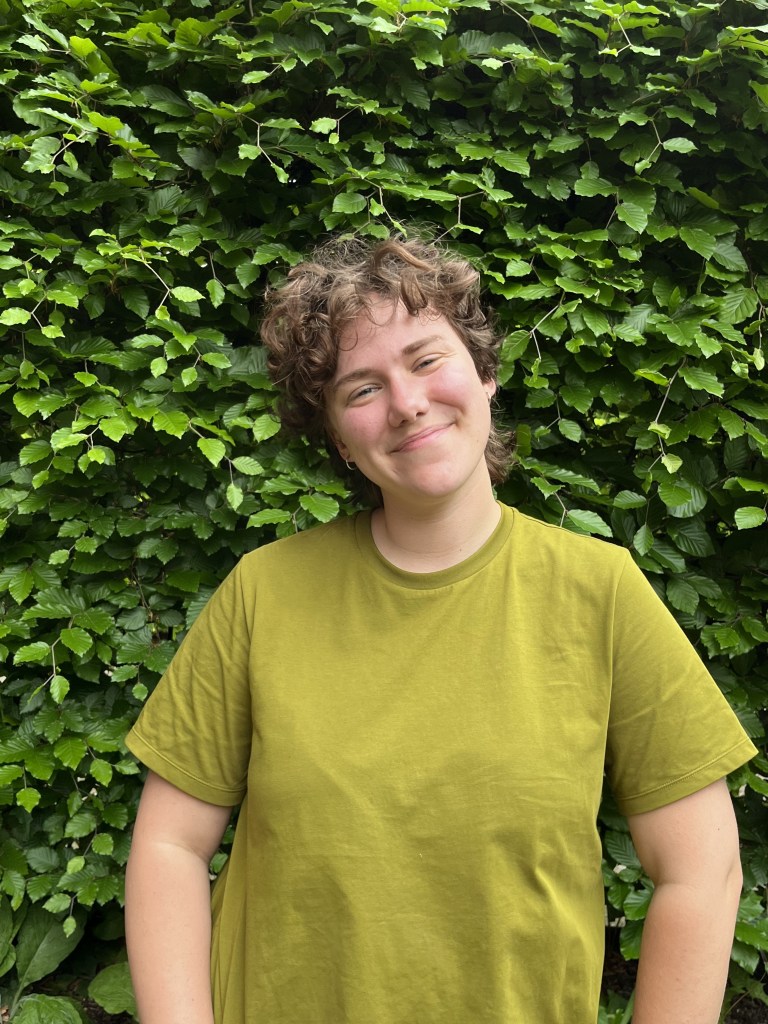
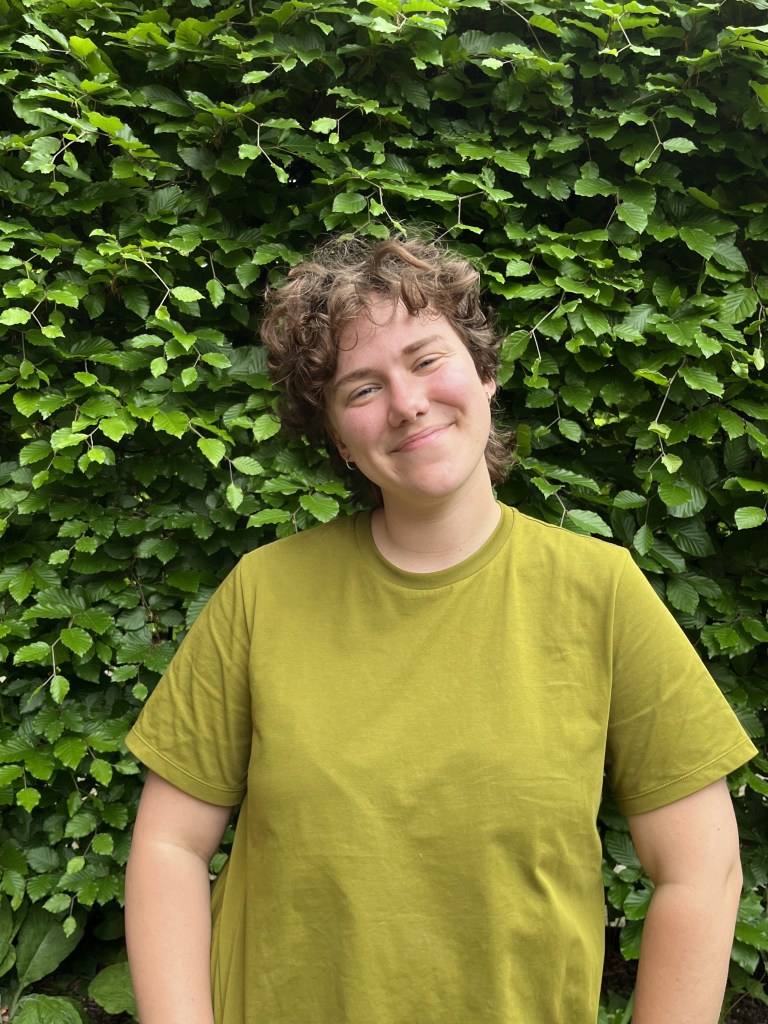
Mara Facon is a Swiss writer and reviewer based in Utrecht, Netherlands. They are particularly interested in queer stories and animal representations in literature. If reading’s not your cup of tea, you can also hear them ramble about music on their podcast Favourite Worst Podcast.
 RevUU
RevUU 